
Featured Hybrid AM & CNC Machined Components








The Macro-Industrial Convergence: 3D Printed Milling Machine Systems
The global advanced manufacturing ecosystem is experiencing a structural paradigm shift. Traditionally, additive manufacturing (3D printing) and subtractive manufacturing (CNC milling) existed as siloed, sequential operational units. Today, procurement directors, chief technology officers, and engineering leads are evaluating 3D printed milling machine solutions—hybrid systems and consolidated industrial workflows that combine laser additive bed fusion with high-precision 5-axis subtractive milling.
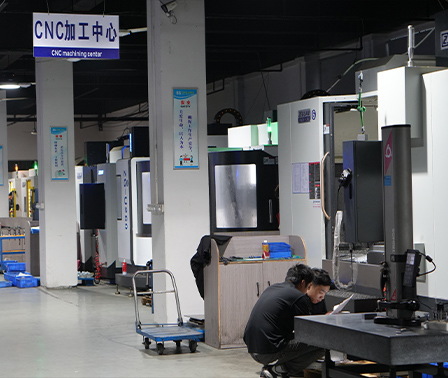
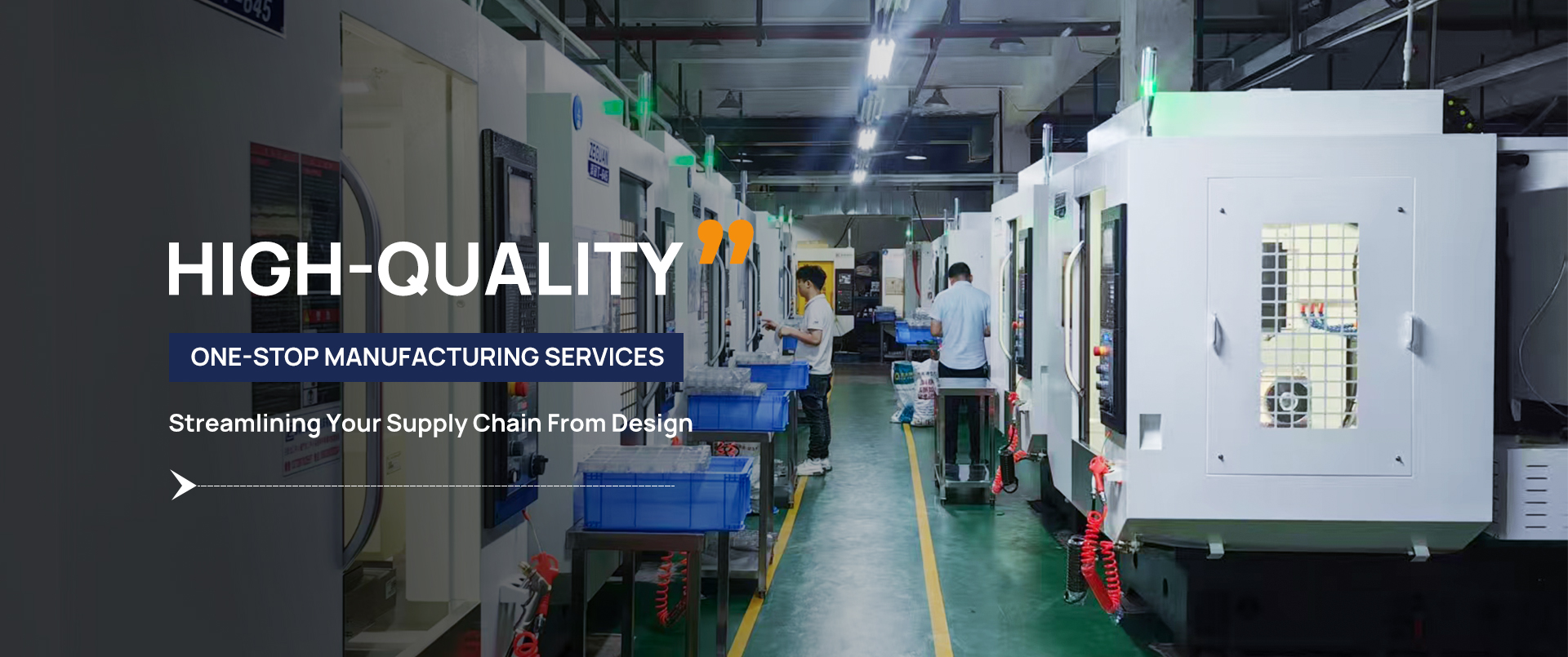
Driven by global demand for rapid prototyping, topology-optimized lightweight structures, and low-volume high-mix (LVHM) production, industrial buyers must navigate complex factory capabilities and pricing structures. Sourcing direct from tier-1 manufacturing hubs like Dongguan, China—where facilities such as Dongguan TC Precision Machining Co., Ltd. integrate 5-axis CNC machining centers alongside advanced green-laser powder bed fusion systems—provides unprecedented cost efficiency and dimensional accuracy.
Economic Efficiency
Consolidating additive material deposition and 5-axis CNC finishing eliminates secondary fixture setup times, reducing total cost of ownership (TCO) by up to 35% on complex metallic housings.
Geometrical Freedom
Direct Metal Laser Sintering (DMLS) and Laser Powder Bed Fusion (LPBF) build internal conformal cooling channels, organic lattice nodes, and hollow bent pipes impossible via conventional tooling.
Micron Precision
While raw metal 3D prints yield ±0.1mm to ±0.2mm surface roughness, secondary multi-axis milling refines bearing bores, mating flanges, and thread paths down to ±0.005mm standard tolerances.
Global Commercial Landscape & Factory Pricelist Benchmarks
Navigating the commercial market for 3D printed milling machine hardware and OEM component manufacturing services requires a clear understanding of machine capital expenditure (CapEx), material powder dynamics, and hourly factory operational rates across key economic regions.
Western Hardware Capital Costs
Turnkey industrial 3D printed milling equipment imported from North American or European OEMs commands CapEx values ranging from $450,000 to over $1,800,000 USD per unit. This capital intensity often leads overseas contract facilities to charge high machine-hour rates ($150–$300/hr).
The Dongguan Factory Direct Advantage
By partnering directly with integrated Chinese manufacturing clusters like Dongguan TC Precision Machining Co., Ltd., enterprise buyers leverage fully capitalized multi-axis CNC machines and green-laser AM equipment. This yields factory-direct part pricing with machine rates between $45–$85/hr without sacrificing quality.
Representative Industrial Manufacturing Pricelist & Process Benchmark
The following matrix provides procurement officers with indicative baseline pricing for customized 3D printed metal components combined with secondary multi-axis CNC milling:
| Material Category | Primary Additive Process | Secondary Milling / Surface | Typical Volume (PCS) | Estimated Factory Unit Price (USD) |
|---|---|---|---|---|
| Pure Copper (99.9%) / CuCrZr | Green Light Laser (515nm) LPBF | 5-Axis CNC Bore & Datum Milling | 1 – 10 (Prototype) | $180 – $450 / pc |
| Titanium Alloy (Ti6Al4V) | Standard Fiber LPBF / DMLS | High-Speed Milling + Stress Relief | 10 – 50 (Batch) | $120 – $320 / pc |
| Stainless Steel 316L | Industrial LPBF Metal Printing | 3-Axis Flange Turning & Threading | 50 – 500 (Production) | $35 – $95 / pc |
| Aluminum (AlSi10Mg / 6061) | Topology-Optimized Printing / CNC | Full 5-Axis Milling + Anodizing | 100+ (Low Volume) | $25 – $75 / pc |
| Carbon-Fiber Thermoplastic | Continuous Composite AM | Precision CNC Trim & Drill | 5 – 25 (Tooling) | $85 – $210 / pc |
Technical Roadmap: Additive Metallurgy & Precision Machining Integration
Achieving aerospace and medical-grade precision requires a rigorous design-for-manufacturability (DFM) methodology. Standard infrared fiber lasers (1064 nm wavelength) struggle with high-reflectivity alloys like pure copper, leading to unstable melt pools, keyhole porosity, and poor density.
Green Laser Technology (515 nm)
Our facility employs short-wavelength green lasers operating near 515 nm. At this spectrum, pure copper absorbs up to 40% more laser energy compared to standard infrared light. This yields density levels exceeding 99.8%, eliminating thermal voids in high-duty induction coils, heat exchangers, and cold plates.
Subtractive Datum & Tolerance Strategy
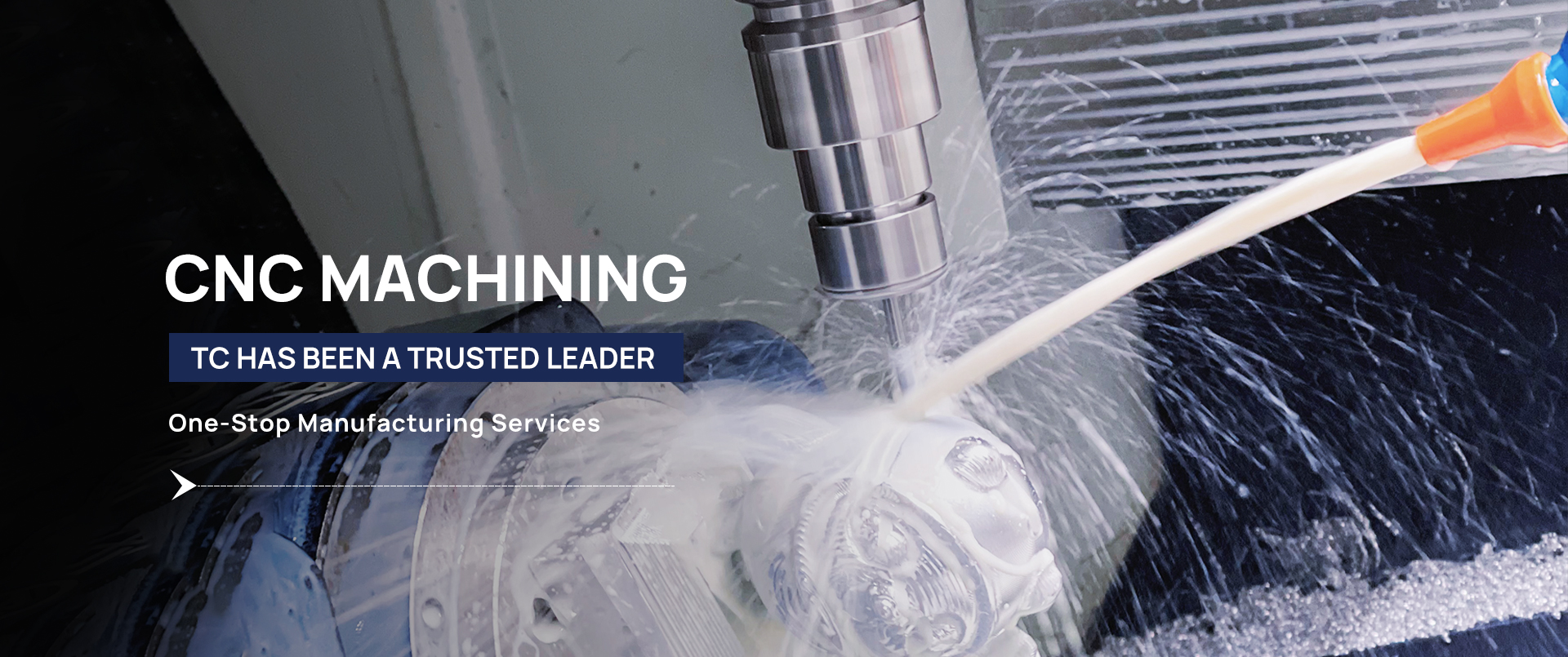
Metal 3D printing creates near-net-shape geometries with inherent thermal residual stresses. We implement post-print stress-relief heat treatment followed by automated 5-axis CNC machining, maintaining tight GD&T alignment across bearing bores, keyways, and high-speed power transmission gears.
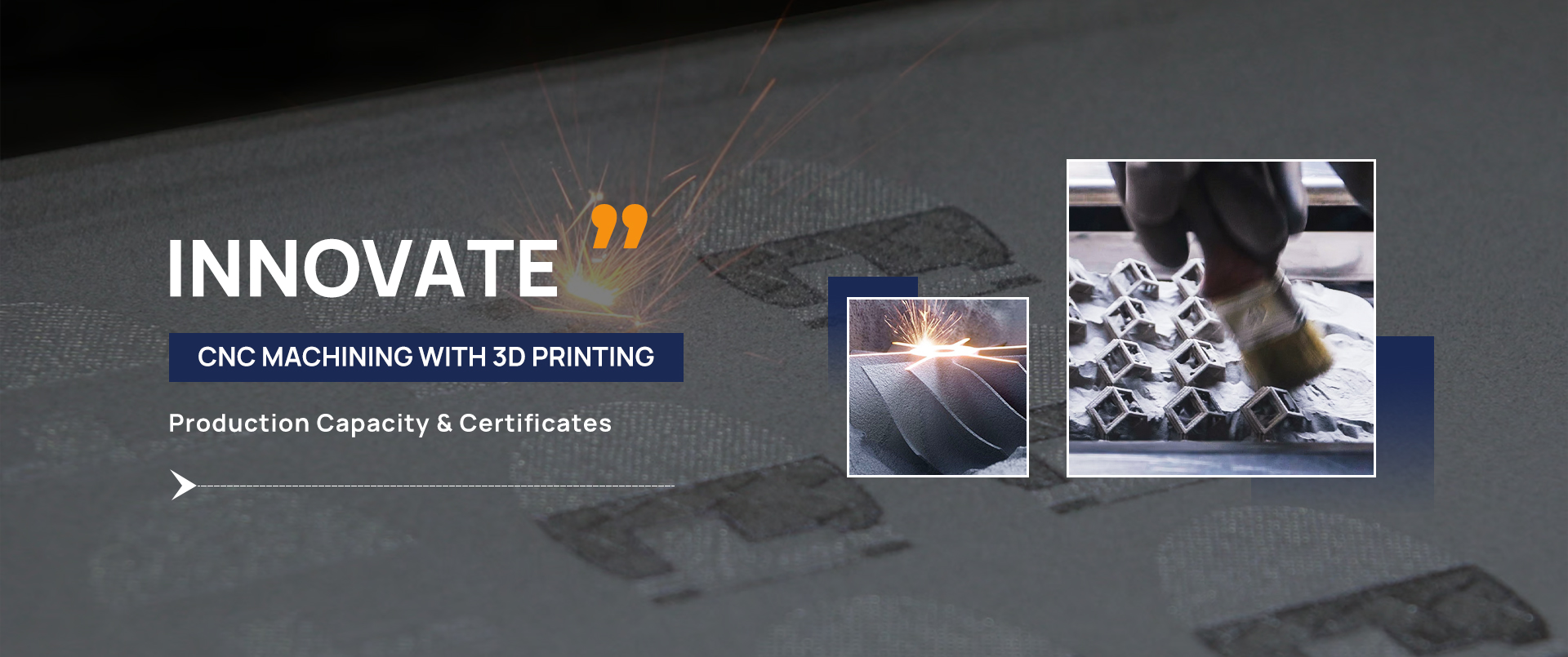
Figure 1: High-precision 5-axis CNC finishing on additive near-net shapes at Dongguan TC Precision Machining facility.
Localized Application Scenarios & Engineering Case Studies
Hybrid additive-subtractive manufacturing provides critical advantages across diverse industrial sectors. By integrating 3D printing for internal complexity and multi-axis milling for mechanical interface accuracy, global OEMs unlock new levels of component performance.
Robotics & Industrial Automation
Topology-optimized robotic arm linkages printed in Ti6Al4V alloy achieve a 40% weight reduction while preserving structural rigidity. CNC milling refines bearing seats to H7 tolerance limits, enhancing dynamic response times for collaborative robotics.
Thermal Management & Power Electronics
Green-laser printed pure copper cold plates incorporate complex 3D internal micro-channels. Secondary CNC milling guarantees mirror-flat contact surfaces (Ra < 0.4 µm) for optimal heat dissipation in EV power modules.
Automotive & Power Transmission
Custom helical spur gears and transmission housings printed with internal lubrication channels. Post-machining on high-precision gear shapers ensures ISO Class 6 tooth profile accuracy and quiet operation under heavy loads.
Compliance, Quality Assurance & Global Localization Support
For international buyers in North America, Europe, and Asia-Pacific, supply chain reliability hinges on transparent quality verification and compliance documentation. Dongguan TC Precision Machining Co., Ltd. enforces strict global quality standards across every production phase.
Metrology & Traceability Reports
Every dispatch is accompanied by detailed CMM (Coordinate Measuring Machine) dimensional inspection reports, surface roughness charts (Ra), and raw powder/ingot material certificates (MTRs). Non-destructive testing (NDT) via X-ray CT scanning is available for critical internal fluid channels.
Export Packaging & Global Logistics
Parts undergo ultrasonic cleaning, vacuum sealing with desiccant protection, and custom foam-lined wooden export packing. We provide DDP, FOB, and CIF terms via international air couriers (DHL/FedEx/UPS) and ocean freight forwarding to streamline custom clearance.
TRUSTED BY GLOBAL INDUSTRIAL OEMs & AUTOMATION BRANDS





Frequently Asked Questions: 3D Printed Milling Machine Sourcing
Answers to essential technical and commercial questions posed by procurement officers, mechanical engineers, and sourcing directors.
Why is a 515 nm green laser required for 3D metal printing pure copper parts?
What dimensional tolerances can be held when combining metal 3D printing and secondary CNC milling?
How does buying 3D printed milling components directly from factories in Dongguan affect lead times and cost?
Is there a Minimum Order Quantity (MOQ) for custom 3D printed and CNC machined metal parts?
Which 3D CAD file formats are accepted for DFM analysis and direct quoting?
What post-processing surface treatments are available for hybrid metal parts?
Explore Industry Solutions & Factory Direct Products


Request Your Hybrid 3D Printing & Milling Quote
Send us your 3D CAD files (.STEP / .STL) and 2D engineering drawings. Our engineering team in Dongguan will perform a free Design for Manufacturability (DFM) analysis and issue a factory-direct quotation within 24 hours.